A shorter journey
Work toward local supply for grocery stores, restaurants, and households, with less time between harvest and the shelf.
Why Virida exists
After living in Schefferville for a year and contributing to community life, Brandon Hecht wanted to act on what he had seen: empty shelves when trains were delayed, and fresh produce that spoiled too quickly. Virida Hydroponics begins with that experience.
Brandon’s story
Brandon Hecht · Founder
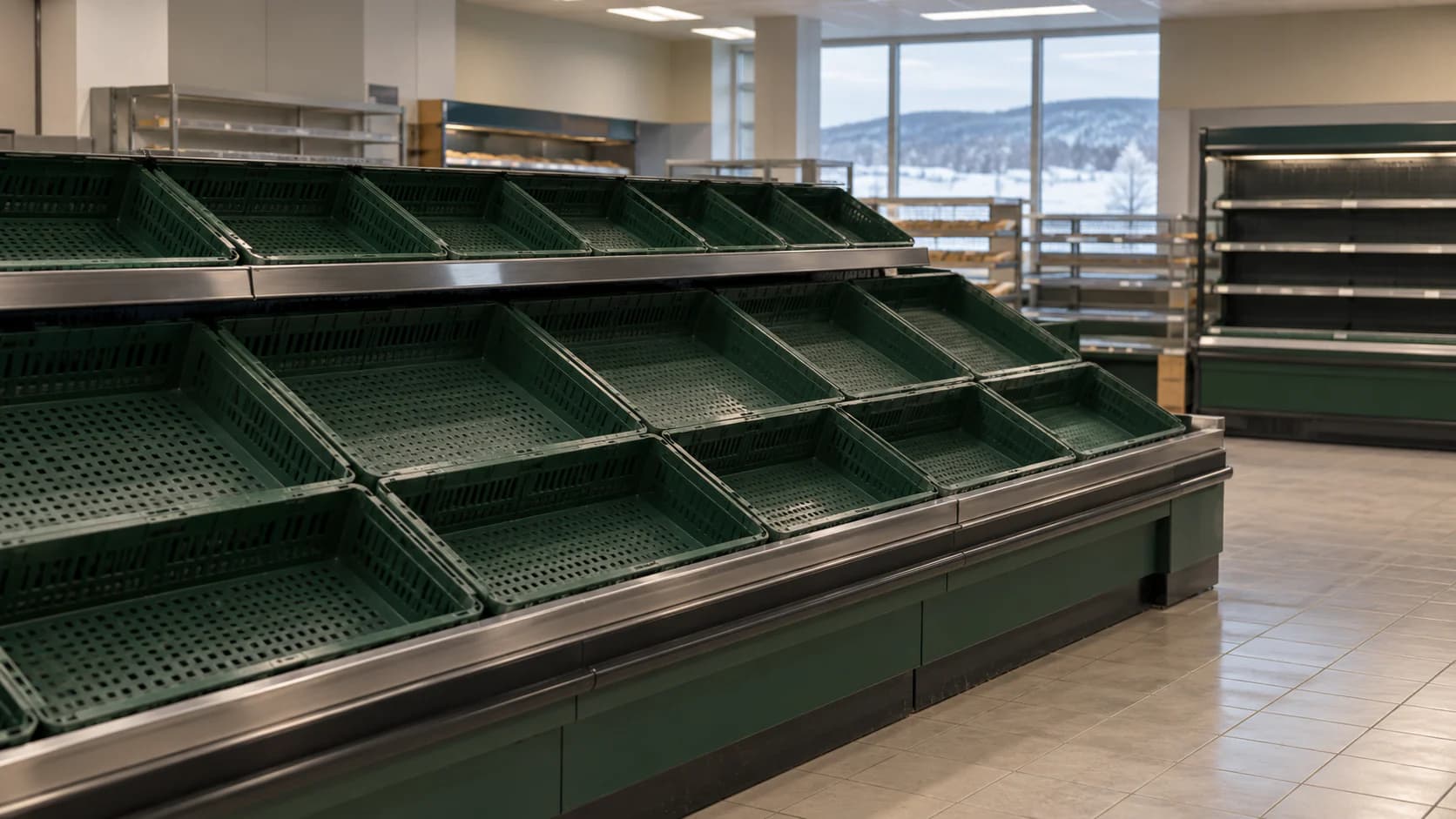
When I first visited Schefferville, I saw times when the shelves were completely empty. The train had not arrived on time. Even when there were fruits and vegetables, the freshness did not always last: you could bring strawberries home and already be picking out spoiled ones the next day.
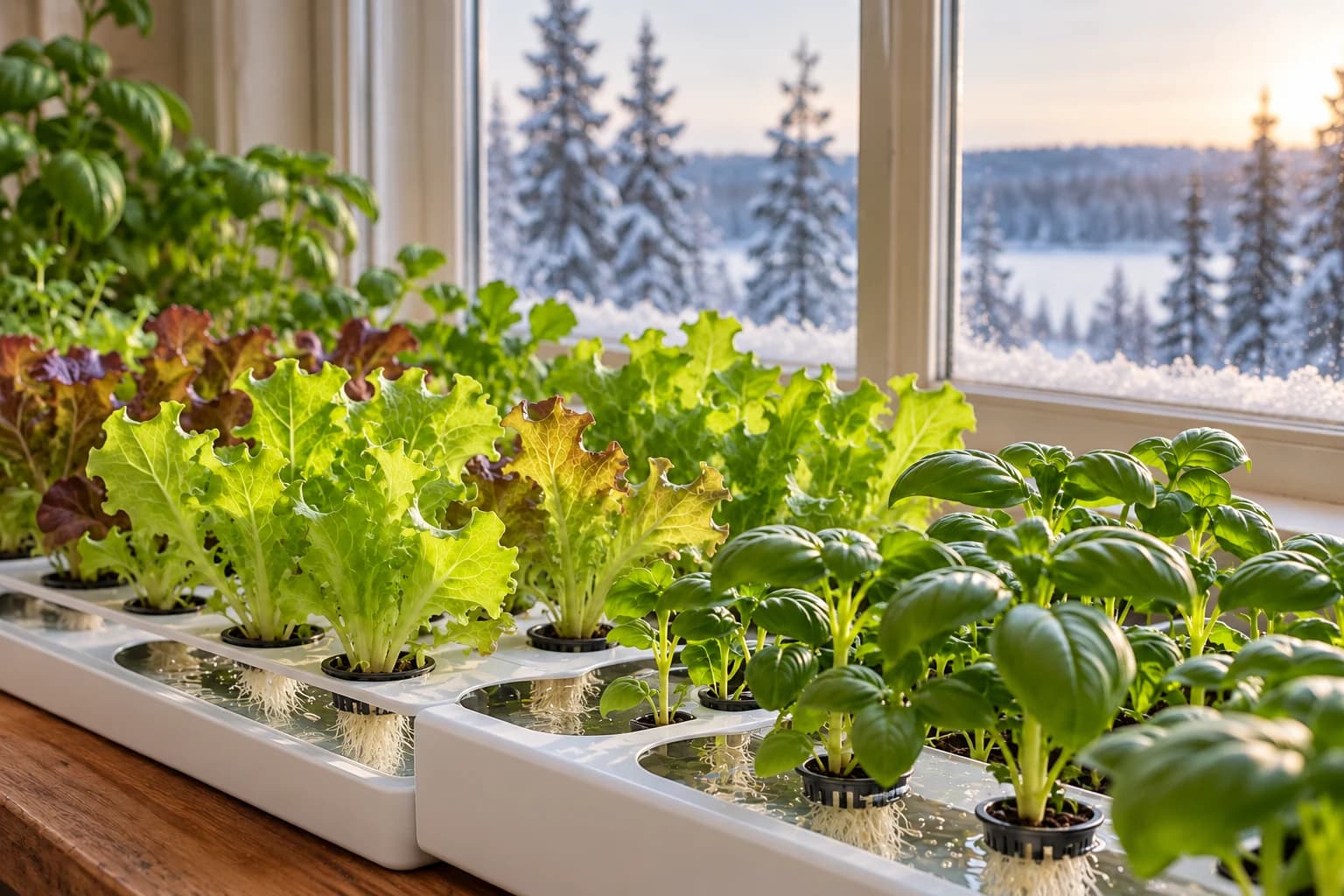
I also saw the work of sorting out damaged produce and food ending up in the garbage. That waste stayed with me. After a year living there and helping the community, I kept coming back to one idea: what if some of that food could be grown right in town?
We started talking about it with people in the community. The interest and encouragement in those conversations helped us decide to start Virida Hydroponics. We want to build it with the people here, for the people here.
Our vision
Work toward local supply for grocery stores, restaurants, and households, with less time between harvest and the shelf.
Aim for high freshness and quality at competitive prices. Prices and volumes will be established using actual operating costs.
Explore school visits and activities where students could discover plant roots, water, nutrients, and how food grows.
Freshness in context
There is no single nutrient-loss percentage that applies to every fruit and vegetable over two weeks to a month. Variety, the nutrient measured, temperature, and packaging all affect the result.
10 days · salad leaves
loss of ascorbate, a form of vitamin C, in the leaves studied at 4 °C. This does not measure the loss of all nutrients.
Food Chemistry study, 2017 ↗14 days · refrigerated strawberries
In Red Rhapsody strawberries at 4 °C, free ascorbate stayed stable, but total vitamin C declined by about 18%. Nutrients do not all change at the same rate.
Red Rhapsody study, 2025 ↗These experiments do not measure produce sold in Schefferville or the nutrition of a future Virida harvest. Local growing aims to shorten the journey; careful harvesting, handling, and refrigeration still matter.
So how long do you think it takes for a fruit or vegetable harvested on a California farm to reach a Schefferville grocery store?
The place
The project’s first focus is Schefferville. Over time, and only if the conditions are right, Virida Hydroponics may explore additional northern communities. Every place has its own priorities, constraints, and strengths: listening has to come before expansion.
See Schefferville